-
Empty cart
No products in the cart.
Return to Shop
- Home
- Food Packaging
The Essential Role of Food Packaging in Today’s Market
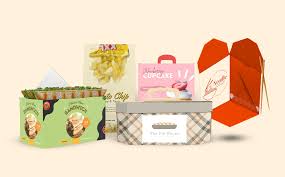
Food packaging plays a critical role in the food industry by ensuring safety, freshness, and convenience. With growing demand for sustainable and efficient solutions, businesses are increasingly focusing on customized options. Food packaging serves a dual purpose: it protects food and creates a positive first impression for customers. The right packaging not only helps in preserving the quality of food but also helps communicate your brand message effectively.
In this article, we will dive into the importance of packaging, explore various options available for businesses, and discuss how investing in the right packaging solutions can improve both the functionality and aesthetics of your product offerings.
Showing 1–16 of 24 results
What Is Food Packaging and Why Does It Matter?
Food packaging refers to the materials used to contain, protect, and transport food products. It is an essential part of the food supply chain as it ensures food stays fresh and safe from contamination. Moreover, food packaging must comply with regulations that ensure food safety and meet consumer expectations in terms of usability, appearance, and sustainability.
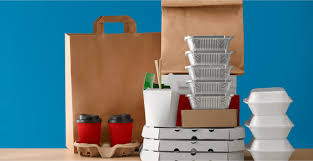
The type of packaging used is largely determined by the food type and intended purpose. Packaging must keep food secure while also facilitating easy handling, storage, and transport. From food packaging boxes to custom food packaging, businesses have a variety of options available to enhance the presentation and practicality of their food products.
The Role of Packaging for Food Safety
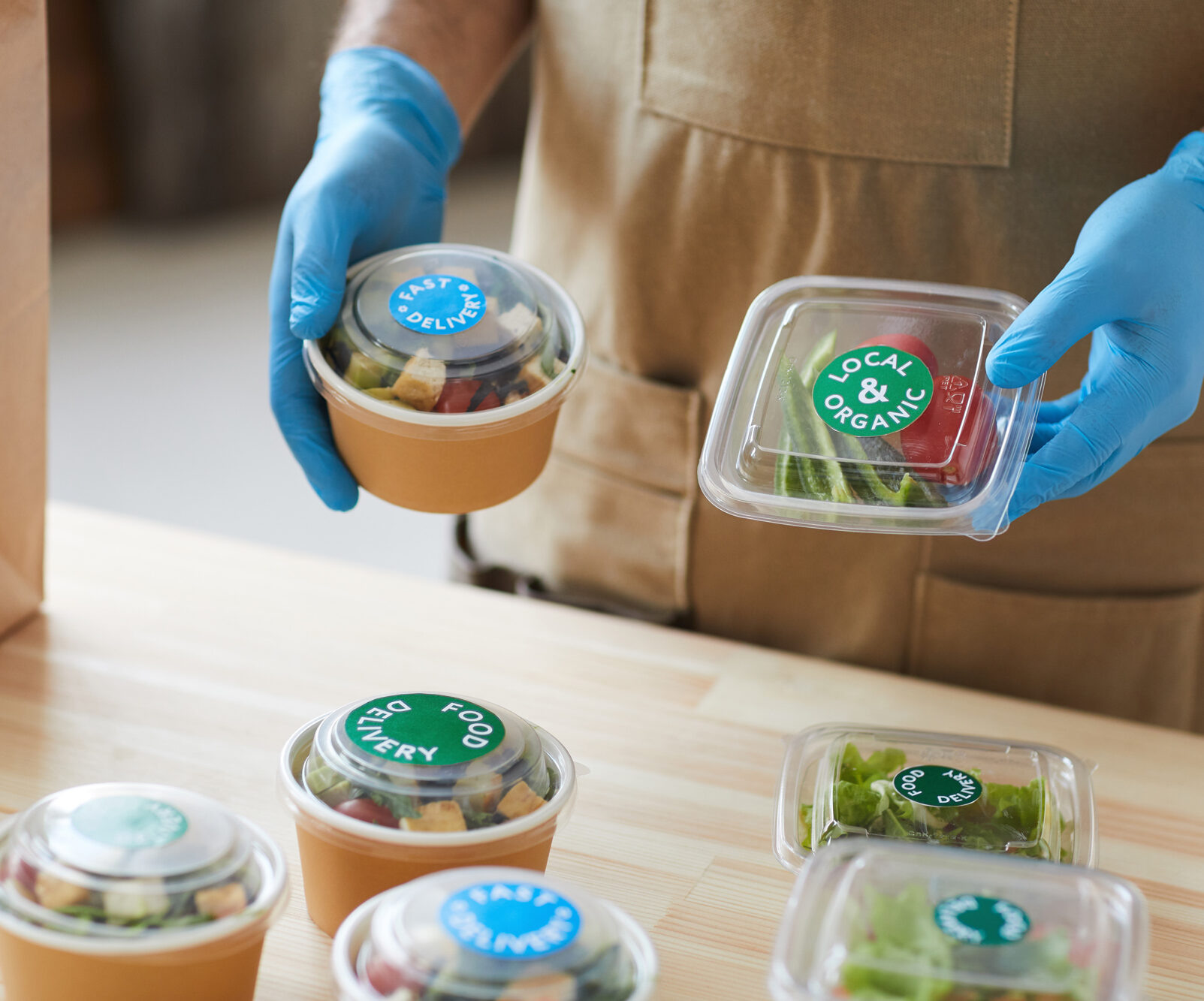
Proper food packaging prevents spoilage and contamination. It helps maintain hygiene and provides a barrier to harmful substances. In industries where perishable goods are prevalent, packaging is critical to extending shelf life and reducing waste.
A good example of packaging for food that promotes safety and longevity is vacuum-sealed packaging, which extends the shelf life of meat, vegetables, and other fresh items. Packaging that uses materials like aluminum foil or plastic ensures that food remains fresh and free from external contaminants.
How Food Packaging Improves Customer Experience
A product’s packaging influences customers’ perceptions and purchasing decisions. Custom-designed food packaging not only makes products visually appealing but also reflects the quality and care associated with the food inside. Attractive packaging helps build brand loyalty by creating a lasting impression.
Types of Food Packaging: Finding the Right Fit for Your Product
The right choice of food packaging is crucial for product differentiation, shelf life, and consumer appeal. There are various types of food packaging available today, ranging from traditional materials to more modern, eco-friendly options.
Packaging for Food: Common Types and Benefits
There are many types of packaging that are suitable for food items, each serving a specific purpose. Some common options include:
- Rigid Packaging: These are containers like jars and bottles that provide excellent protection for products like sauces, jams, and beverages.
- Flexible Packaging: Bags and wraps fall under this category and are widely used for items like snacks, cookies, and dried fruits. This type of packaging is lightweight and cost-effective.
- Foil Packaging: Often used for meats, cheeses, and ready-to-eat meals, foil packaging provides a high barrier to air, moisture, and light.
Packaging that is durable, aesthetically pleasing, and functional can have a significant impact on how customers perceive your brand.
Why Custom Food Packaging is a Game Changer
Personalized or custom food packaging provides a unique opportunity to reflect your brand’s personality and differentiate your product from the competition. Whether it’s a custom logo or a personalized message, adding a custom touch elevates the customer experience. The more personalized the packaging, the more it creates an emotional connection with the consumer.
Sustainability in Food Packaging: The Shift Towards Eco-friendly Solutions
In recent years, there has been a growing demand for sustainable food packaging. As environmental concerns continue to rise, both consumers and businesses are looking for eco-friendly alternatives that minimize the impact on the planet. The food industry, being one of the largest contributors to plastic waste, is under increasing pressure to adopt sustainable packaging practices.
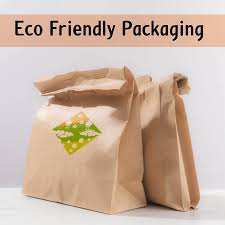
Sustainable packaging options for food can range from biodegradable plastics to recyclable cardboard and paper. Businesses are increasingly choosing alternatives such as plant-based plastics, which break down more easily than traditional plastics, and packaging made from recycled materials.
Sustainability in food packaging boxes is not just about reducing waste, but also about promoting eco-friendly practices. Packaging solutions like reusable containers and compostable wrappers help businesses meet the growing demand for environmentally conscious products.
Eco-friendly Packaging Options for Food Products
Customizing Food Packaging for a Unique Brand Identity
For businesses in the food industry, having customized packaging is an effective way to stand out in a crowded marketplace. Custom food packaging provides you with the flexibility to align your packaging with your brand’s identity, making it an important tool for differentiation.
Advantages of Sustainable Food Packaging
There are several benefits of using eco-friendly packaging in the food industry:
- Improved Brand Image: Consumers are more likely to support brands that prioritize sustainability.
Â
- Cost-Effective: Many sustainable materials are affordable and can be used without sacrificing quality.
Â
- Compliance with Regulations: Governments are increasingly enacting laws to reduce plastic waste, and adopting sustainable packaging solutions ensures compliance.
Cost-Effective and Brand-Friendly
There’s a misconception that sustainable equals expensive. But modern packaging technologies are proving otherwise. A well-thought-out design using recyclable materials can be just as cost-effective and eye-catching as traditional packaging. Brands like Printed Good help bridge this gap by offering stylish, green packaging solutions that don’t break the bank.
How Custom Food Packaging Enhances Branding
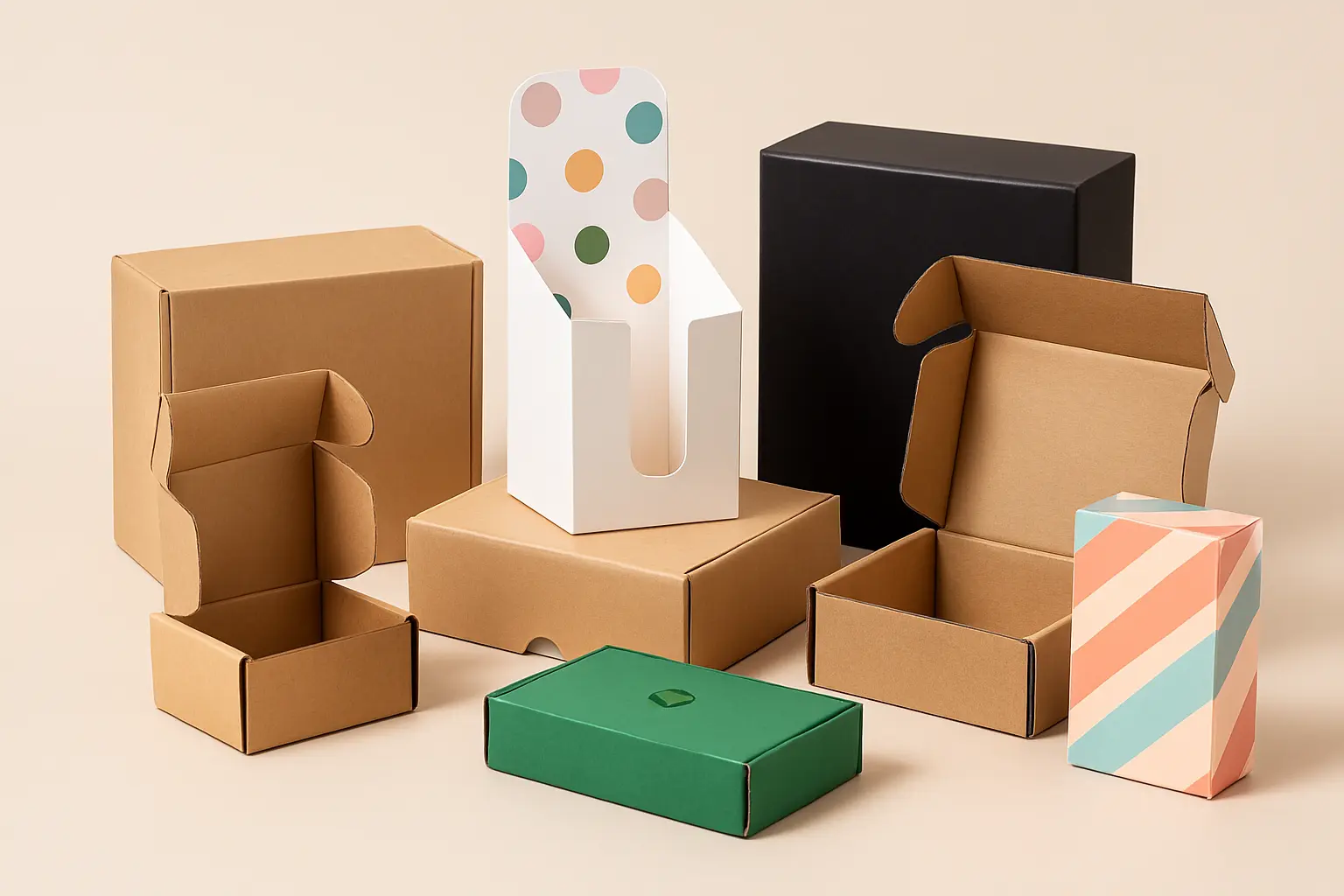
Customizing food packaging allows businesses to create packaging that reflects their unique selling proposition and values. Whether it’s through the use of brand colors, logos, or taglines, customized packaging creates a distinct identity. This helps attract attention in stores and build a loyal customer base.
A well-designed package not only protects the food but also communicates the brand’s personality. For instance, eco-conscious businesses may choose minimalist designs with natural colors to emphasize their commitment to sustainability.
The Future of Food Packaging: Trends to Watch Out For
As the food industry continues to evolve, so too will the packaging solutions that support it. New trends in food packaging are constantly emerging to meet the changing needs of consumers and businesses. From innovations in sustainable packaging to advanced smart packaging solutions, the future of food packaging is both exciting and promising.
Conclusion
Food packaging plays an integral role in the success of food products. Whether it’s food packaging boxes for protection, packaging for food that ensures freshness, or custom food packaging that enhances brand identity, the choices you make can have a significant impact on customer satisfaction and product longevity. Embracing sustainable and innovative packaging solutions will not only improve your product’s presentation but also align your brand with the growing demand for eco-conscious practices.